
Blog
Are Soy Candles Safe for Pets? A Gentle Guide
Aug
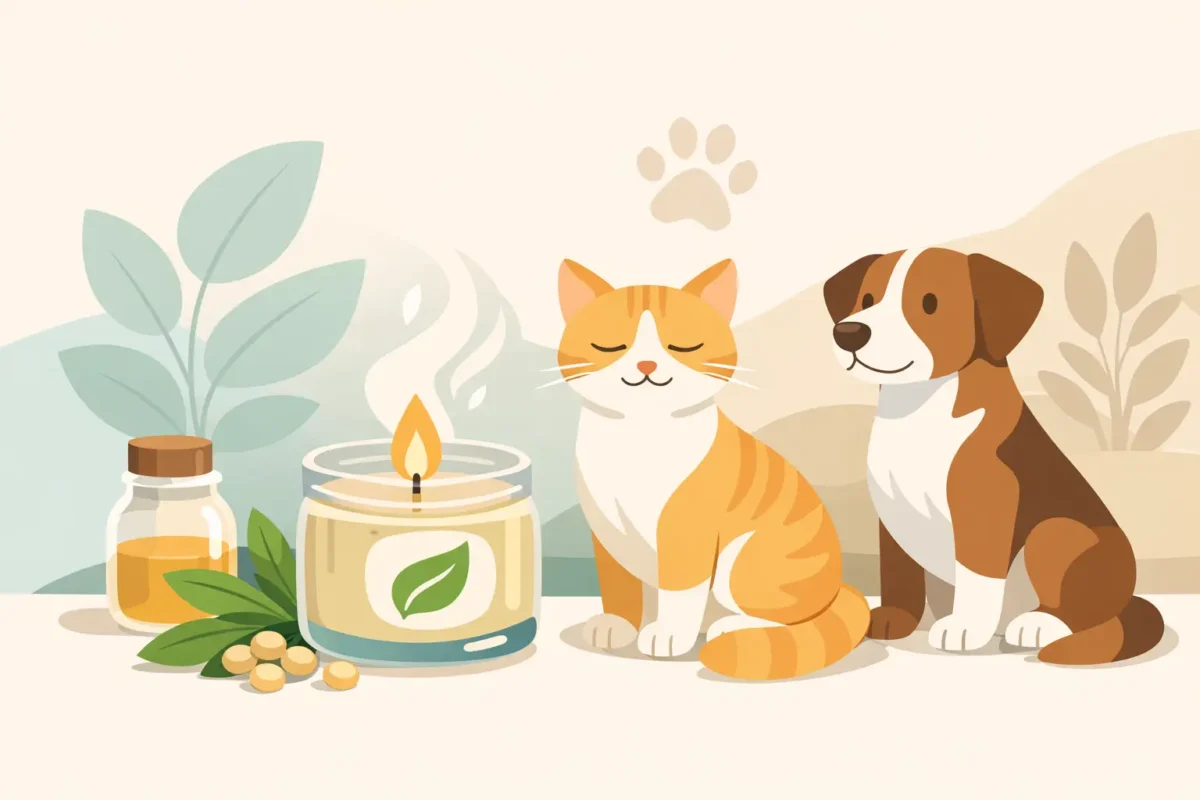
A sleepy cat on the sofa, a dog curled up by the radiator, and the gentle glow of a favourite candle can make a home feel especially comforting. But are soy candles safe for pets? The honest answer is that soy wax can be a more mindful choice than some conventional candle waxes, yet the wax alone does not make any scented candle completely risk-free.
For a pet-conscious home, safety comes down to the whole candle experience: the ingredients, the fragrance, the way it is burned, the size of the room and, most of all, your individual pet. A little care lets you enjoy warm fragrance moments without making your four-legged family member an afterthought.
Are soy candles safe for pets in everyday homes?
Soy wax is made from soya beans and is commonly chosen as a vegan-friendly, plant-based alternative to paraffin wax. It usually burns more slowly and cleanly when a candle is well made and properly cared for. That makes it an appealing option for homes that want a lovely atmosphere with a more environmentally mindful approach.
However, “soy” and “pet-safe” are not interchangeable labels. A candle may use soy wax but still contain a strong fragrance blend, colourants or additives that do not suit every household. Even a beautifully made soy candle produces an open flame, warm liquid wax and fragrance in the air. Those are the factors to think about around curious cats, lively dogs, birds and smaller pets.
For most cat and dog households, enjoying a quality soy candle occasionally in a well-ventilated room is often a sensible choice when the candle is kept well out of reach. If your pet has breathing difficulties, is very young, elderly, prone to allergies or recovering from illness, it is wise to be more cautious and ask your vet for advice tailored to them.
The fragrance matters as much as the wax
The scent is the heart of a home-fragrance product, whether you love the fruity sweetness of Strawberry and Rhubarb, a comforting Rich Espresso and Vanilla Bean moment, or the clean, calm feel of Fresh Linen. It is also the part of a candle that deserves the closest attention in a home with pets.
Cats and dogs have a far more sensitive sense of smell than we do. What feels like a soft background scent to us can be overwhelming for an animal, especially in a small room with closed windows. A fragrance that is pleasant is not automatically harmful, but intensity matters. If your pet leaves the room, sneezes repeatedly, seems restless or rubs at their face after a candle is lit, treat that as useful feedback and stop using it around them.
Essential oils are often discussed in pet-safety conversations. Some essential oils can be problematic for animals, particularly when they are concentrated, used in diffusers or applied directly to fur or skin. A fragranced candle is used differently, and the level of exposure will vary widely from product to product. Still, it is best not to assume that a candle is suitable simply because it smells natural or botanical.
Birds need particular consideration. Their respiratory systems are highly sensitive to airborne particles, smoke and fumes. The safest approach is to avoid burning scented candles, wax melts, incense and similar fragranced products in the same room as pet birds, and make sure their space has clean, fresh air.
A few simple habits make a real difference
A calm candle routine is often safer than searching for a single perfect product. Start by burning a candle in a larger room with some airflow, rather than in a tightly shut bedroom or a small enclosed space. You do not need a draughty room that makes the flame flicker, but opening a door or allowing fresh air to circulate helps keep the fragrance from building up.
Keep the burn short and gentle. Two to four hours is usually plenty for a container candle, depending on its size and the maker’s instructions. Extinguish it if the scent begins to feel too strong, and never use a candle to disguise household smells that need dealing with at the source.
Placement is equally important. A coffee table may look inviting, but it is not ideal if a wagging tail, a playful paw or a curious nose can reach it. Choose a stable, heat-resistant surface well away from edges, soft furnishings and anything a pet could knock over. Never leave a lit candle unattended, even for a quick trip upstairs or to answer the door.
For the cleanest, most even burn, trim the wick before lighting. A wick that is too long can create a larger flame, more soot and extra smoke. Let the candle cool completely before moving it, and keep lids or packaging away from the heat while it is burning.
Know your pet’s habits, not just their species
Every home is different. A relaxed older dog who sleeps through your evening routine may be less likely to interfere with a candle than a bright young puppy determined to investigate every new object. Some cats barely notice fragrance, while others may be unsettled by a scent that lingers in their favourite nap spot.
Think about where your pet spends time. If your cat’s bed is in the kitchen, perhaps save your Ginger and Lemongrass candle for an afternoon when the room is airy and they can choose another place to settle. If your dog likes to follow you into the bathroom, a brief, well-ventilated spa-like moment may be better than burning a strong scent throughout a long bath.
Small mammals also deserve extra care. Rabbits, guinea pigs, hamsters and similar animals have delicate respiratory systems and are often housed in smaller enclosed areas. Keep all fragranced products well away from their enclosure and avoid using candles nearby.
What to do if your pet eats wax or chews a candle
Most candle mishaps happen when a pet is unsupervised for a moment. Soy wax itself may cause mild stomach upset if a small amount is eaten, but a candle also includes fragrance oils, dyes, wick material and possibly a metal wick tab. These can change the level of concern.
If your pet has chewed or swallowed part of a candle, remove the remaining pieces and keep the packaging or ingredient information to hand. Do not try to make them sick unless a veterinary professional tells you to. Contact your vet promptly, particularly if they have swallowed a wick, glass, a large amount of wax or any unknown component.
Seek urgent veterinary help if your pet has difficulty breathing, repeated vomiting, unusual drowsiness, tremors, collapse or signs of distress. The same applies if they have been burned by hot wax or an open flame. In these moments, quick professional advice is far more helpful than guessing at home.
Choosing candles with a pet-conscious mindset
When you are buying home fragrance, look beyond the front label. Choose a maker that is clear about its wax type and product care, rather than making sweeping promises that any candle is completely harmless around animals. Soy-based, vegan-friendly candles with thoughtful ingredients are a good starting point, but they work best alongside sensible use.
It can also help to choose fragrances for the moment rather than burning the strongest scent all day. A cheerful Bubblegum fragrance might suit a short weekend tidy-up, while a softer Fresh Linen feeling may be lovely after changing the bedding. Let your pet have access to another room, and avoid lighting anything when they cannot move away from the fragrance if they wish.
At Pinecroft Candles, the aim is simple: affordable handmade fragrance that brings warmth and tranquillity to everyday spaces. For homes with pets, that comfort should include a little extra awareness. Enjoy the glow, keep the room fresh, and let your pet’s behaviour guide the routine.
A candlelit evening should feel relaxed for everyone in the house. Choose a well-made soy candle, burn it thoughtfully and always give your pet space to wander, snooze and breathe easily in their own home.
